2026-06-07
Anatomy of the Nose
A detailed visual guide to the gross anatomy of the nose, including structural landmarks and soft tissue characteristics relevant to rhinoplasty.
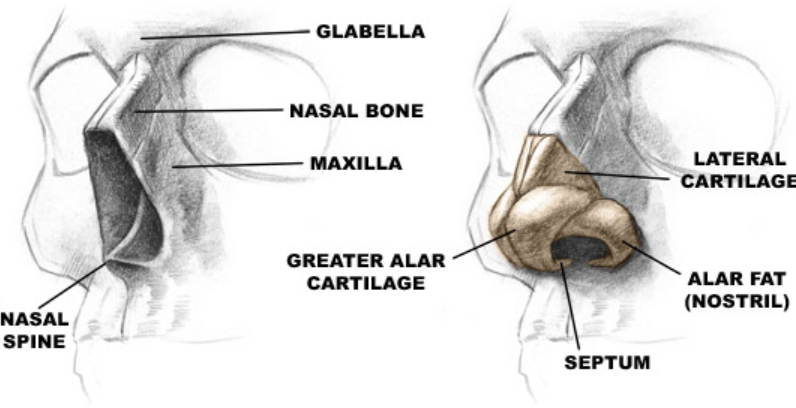
Anatomy of the Nose
Anatomy of the Nose
Gross anatomy
All image sources: Google
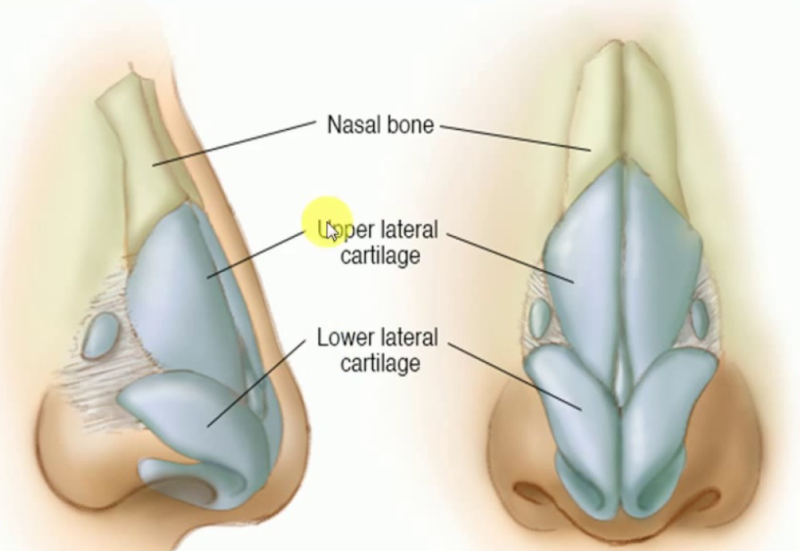
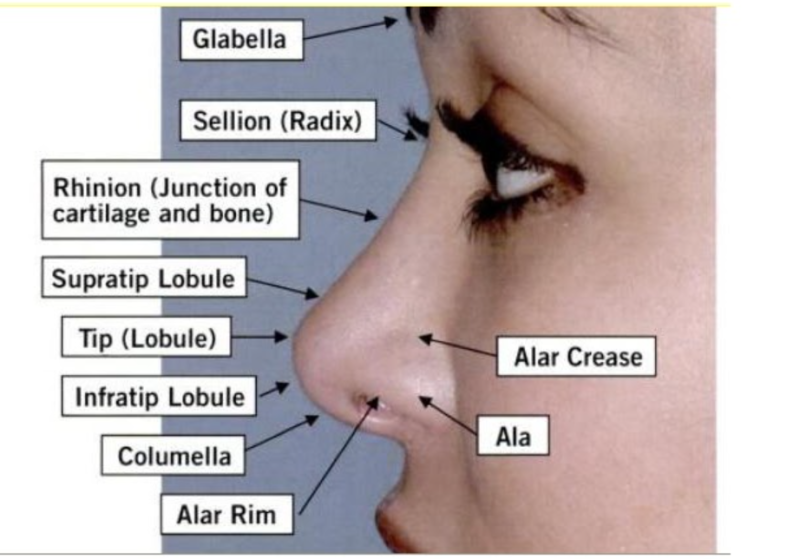
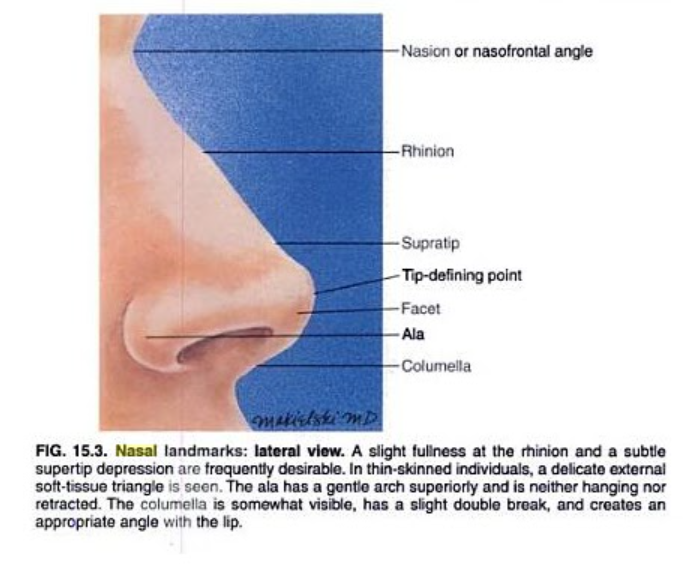
The soft tissue near the supratip is naturally thick, but in individuals with thin skin, the boundary may appear more defined.
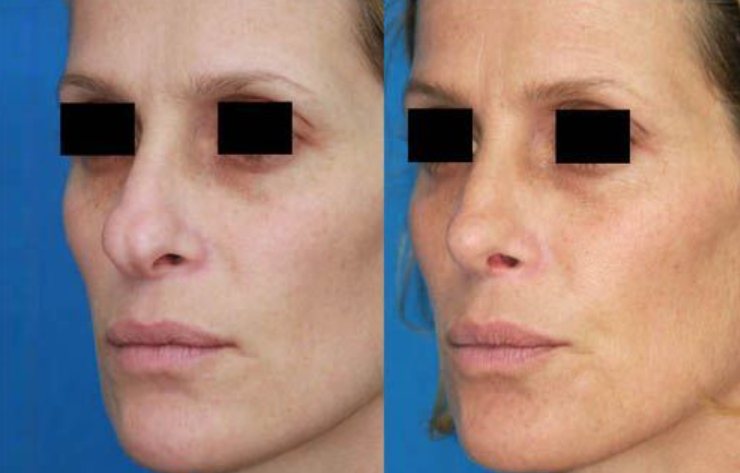
Source: In this patient, likely due to Western ethnicity, the supratip boundary appears quite distinct.

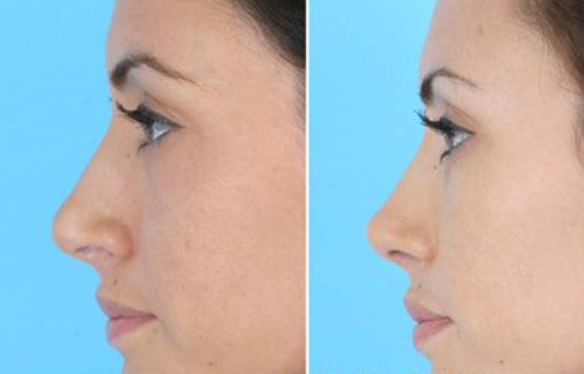
Source

Frequently Asked Questions
What are the characteristics of the supratip area of the nose?
The supratip area of the nose inherently has an anatomical characteristic of thick soft tissue. However, the thickness of the tissue can vary from person to person, leading to differences in appearance.
How might the nose of a person with thin soft tissue appear?
In individuals with thin soft tissue, the supratip area may appear demarcated on the surface. This phenomenon occurs when, despite being an inherently thick area, the thin tissue allows the boundaries of the internal structure to show through the skin.
How does the supratip area appear in Western noses?
In Western cases, the supratip area tends to appear distinctly demarcated. This is understood to be due to the anatomical characteristics of Westerners, where the soft tissue in this area is thinner or the skeletal structure is more prominent.
What does 'soft tissue' mean in nasal anatomy?
Soft tissue refers to the soft tissues covering the bone or cartilage of the nose. The supratip area of the nose typically has thick soft tissue, but depending on individual characteristics, if it is thin, the boundaries may appear demarcated.