2026-06-07
Epicanthoplasty Restoration and Reconstruction of Mongolian Folds Using V-Y Advancement and Transposition Flap
A professional overview of epicanthoplasty restoration techniques presented at Gangnam Severance Hospital, focusing on minimizing scarring and natural results.
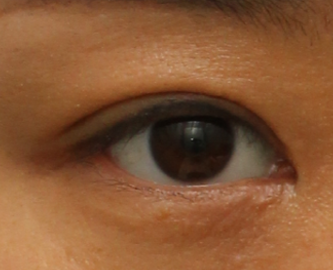
Epicanthoplasty Restoration and Reconstruction of Mongolian Folds Using V-Y Advancement and Transposition Flap

2018. 9. 2. 11:30
This is the content I presented at Gangnam Severance Hospital on June 28, 2014.
While various proportions are important for beautiful eyes, it is also crucial that the inner corners are not overly blocked.
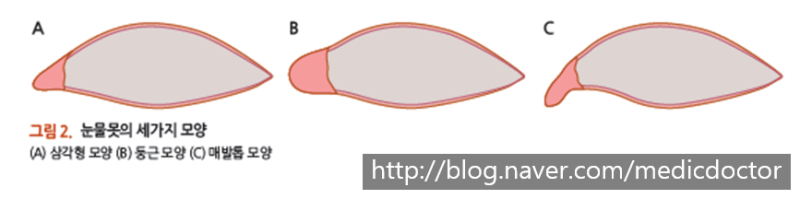
Mongolian folds take on various shapes according to their classification.
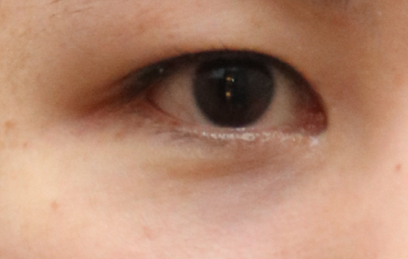
If the lacrimal caruncle (the pink part of the inner eye) is excessively exposed, it can create an awkward appearance.

I presented on the relevant surgical techniques for these cases.
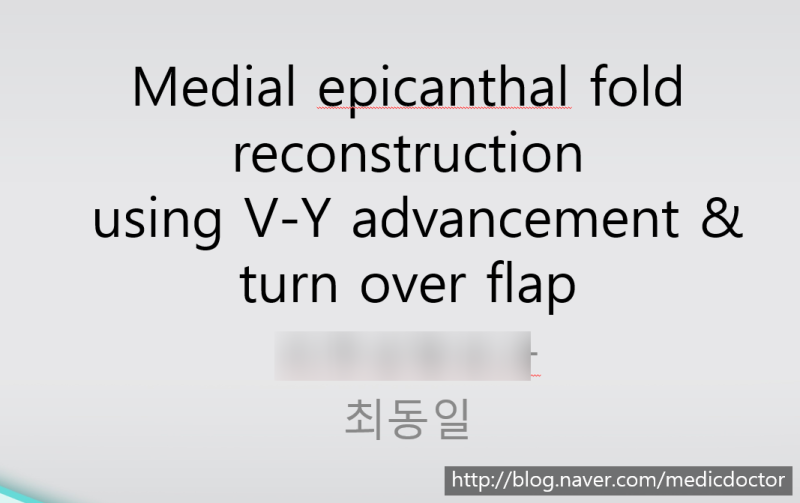
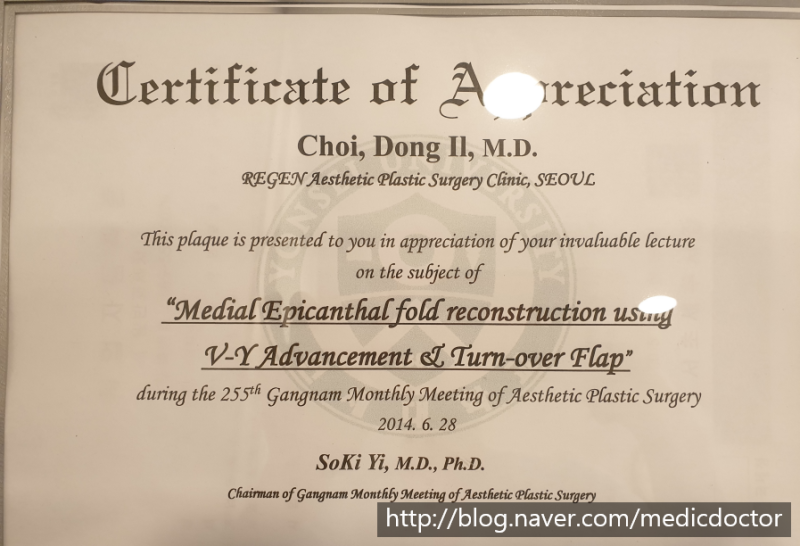
The certificate of appreciation I received at that time.
The core of the surgery I presented was a method to minimize scarring, prevent the corners from appearing too rounded, and ensure the technique is reproducible for other surgeons.
I heard from a junior colleague that the video of my presentation is even being sold.

While I am familiar with and perform various methods, I prefer this specific technique. However, there are many other excellent approaches as well.
The most important factor is the patient’s current condition and the relationship of trust with their surgeon, wouldn’t you agree?
Frequently Asked Questions
When is canthoplasty revision surgery needed?
It is needed when excessive epicanthoplasty (front canthoplasty) leads to an overly exposed lacrimal caruncle, giving an unnatural impression. If too much of the lacrimal caruncle is visible, it is aesthetically unpleasing, so revision surgery can naturally balance the eye's proportions and appropriately reconstruct the epicanthal fold to improve the overall impression.
What are the advantages of V-Y advancement and transposition flap revision surgery?
The biggest advantages are minimizing scars and preventing the inner corner of the eye from becoming rounded. This surgical method, presented by the author at academic conferences, is an effective epicanthoplasty reconstruction technique designed to maintain a natural eye shape after surgery while being relatively easy for other surgeons to follow.
What is the most important consideration for epicanthoplasty reconstruction?
Accurately understanding the patient's current eye condition and building a trusting relationship with the surgeon are the most important considerations. In addition to V-Y advancement and transposition flap revision surgery, various other methods exist for epicanthoplasty revision, so it is crucial to consult sufficiently with a specialist to choose the most suitable surgical method for you.
Are all epicanthal folds the same shape?
No, epicanthal folds have a wide variety of shapes depending on their classification. Therefore, when performing epicanthoplasty revision or epicanthal fold reconstruction surgery, it is essential to accurately analyze the individual's epicanthal fold shape and eye proportions to create a customized surgical plan to achieve natural results.