2026-05-29
Solutions for Side Effects After Ptosis Correction Surgery (Newspaper Article)
A professional guide on addressing side effects from ptosis correction, focusing on orbicularis oculi muscle damage and the importance of expert surgical techniques.
It has been a while since my last post.
The topic is:
Solutions for Side Effects After Ptosis Correction Surgery for Improving Blepharoptosis - K-Health
Around March, I received an interview request from reporter Shim Ji-seon of K-Health. The goal was to provide accurate medical information to counter the overflow of misleading plastic surgery content.
The original article link is as follows: http://www.k-health.com/news/articleView.html?idxno=47914
The main points of the content are as follows.
Side effects do not necessarily occur because of the ptosis correction itself, but rather due to repeated incisional methods or damage to the orbicularis oculi muscle, which can result in the eyes not closing fully or other complications.
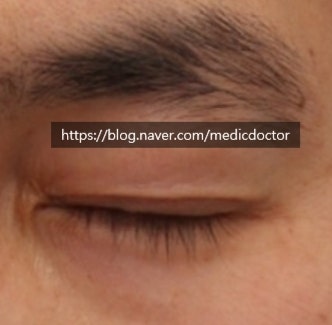
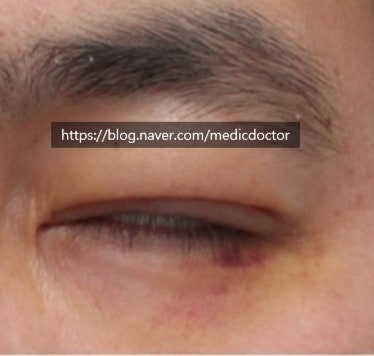
The first photo shows the condition one week after surgery; while the eyes may not close completely at this stage, they usually descend and close properly over time.
However, if the orbicularis oculi muscle is damaged, the inability to close the eyes can become permanent.

This individual has suffered damage to the orbicularis oculi muscle.
Since the incisional method requires a high level of technical skill, I recommend undergoing the procedure with a board-certified plastic surgeon who is highly proficient in surgery.
Frequently Asked Questions
What causes the side effect of not being able to close the eyes after ptosis correction surgery?
Repeated incisional methods or damage to the orbicularis oculi muscle are the main causes. Rather than a problem with the ptosis correction surgery itself, if the orbicularis oculi muscle, which helps close the eye, is damaged during the surgical process, the side effect of not being able to fully close the eye can occur.
My eyes don't close completely one week after surgery; is this a permanent side effect?
No, in most cases, it is a temporary symptom that will naturally resolve over time. For about a week after surgery, swelling can cause the eyes to not close completely, but as the skin gradually settles, it will recover normally, so you don't need to worry too much.
What happens if the orbicularis oculi muscle is damaged?
Severe side effects, such as permanently not being able to close the eyes, can remain. Unlike temporary swelling, if the orbicularis oculi muscle itself is damaged, it will not recover over time, so extreme care must be taken during surgery to avoid damaging the muscle.
How can I prevent side effects from ptosis correction surgery?
It is most important to have the surgery performed by a plastic surgeon skilled in the procedure. Especially since the incisional method requires a high level of skill, do not be misled by abundant misinformation and seek an experienced specialist for an accurate diagnosis and surgery.