2026-05-29
Ptosis Redo Surgery, Ptosis Correction Side Effects, Failed Ptosis Correction Review
This post discusses a patient who underwent a failed ptosis correction and double eyelid surgery at another hospital, experiencing conjunctival prolapse and eyelid eversion. We performed a redo surgery to correct the issues, showing significant improvement.
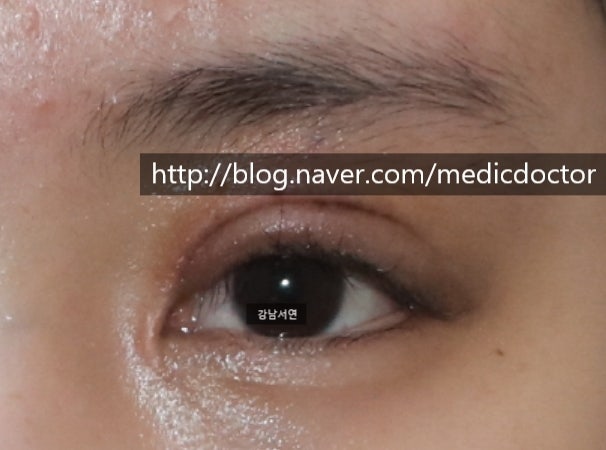
I am writing this post because I feel sorry for those who have experienced ptosis redo surgery, ptosis correction side effects, and failed ptosis correction.
I would like to post about a recent patient.
This patient had undergone ptosis correction + incisional double eyelid surgery before visiting our clinic. They had the procedure at another hospital, and one of their double eyelids did not turn out well, so they visited us directly with their doctor.
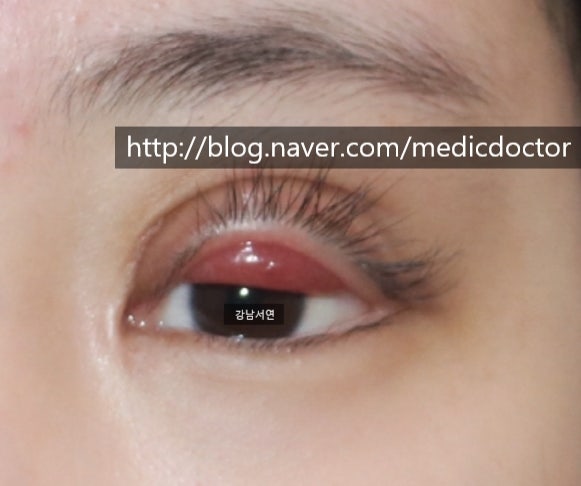
They came in with one eye looking like this. There was conjunctival prolapse, mucosal eversion, and excessively everted eyelashes.
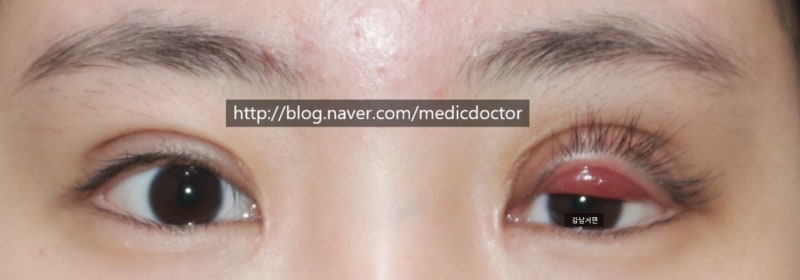
Both eyes were in this condition. The correction of the patient's left eye (from the patient's perspective) seemed urgent.
However, in most such situations, asymmetry often occurs because the surgeon is different. But, operating on the patient's right eye, which looks relatively acceptable, only a month after the initial surgery, is a burden.
Generally, redo surgery is best performed within 2 weeks, or for minor corrections, after 6 months.
However, if redo surgery is performed within a month, it is done when the benefits of operating at the one-month mark outweigh the risks.
In the patient's case, leaving this condition for 6 months would be difficult for the patient and awkward for the original surgeon.
The surgery usually takes less than an hour.
This is the appearance one week after surgery. The conjunctiva has receded, and the eye shape has improved. Of course, we still need to observe the progress at one month and six months.
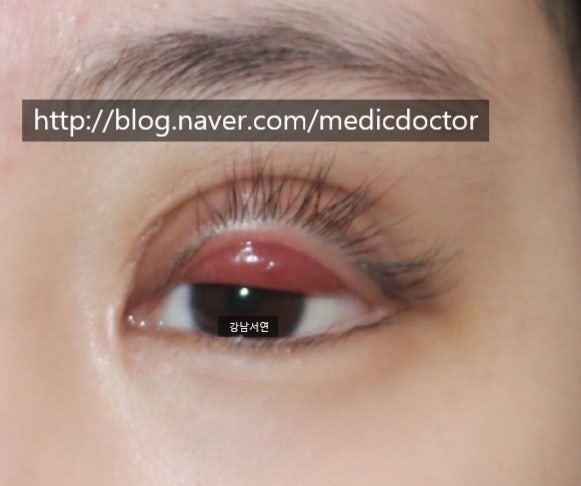
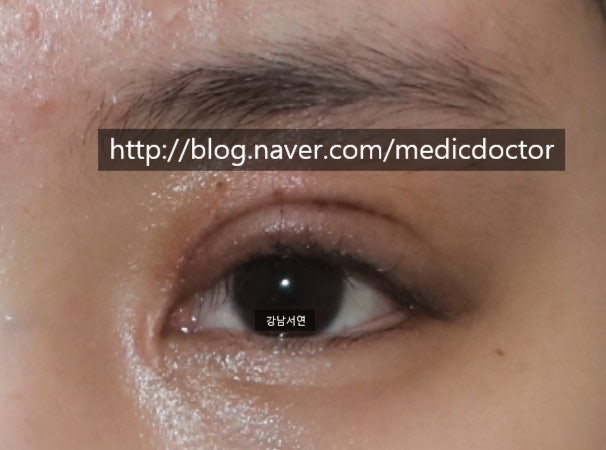
Nevertheless, comparing the before and after photos of both eyes, significant improvement can be seen.
Now, it's just a matter of monitoring the progress.
Although the referring doctor did their best, I believe the greatest courage was to directly refer the patient to an experienced doctor.
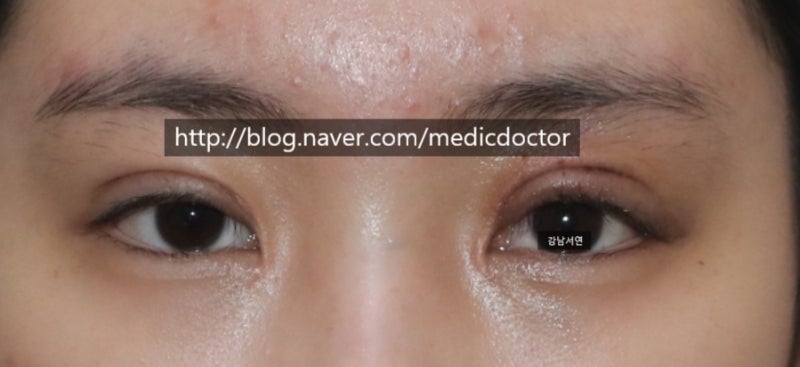
Since different surgeons operated on each eye, the shapes are slightly different. We will likely observe the progress for more than 6 months. If the subtle asymmetry is acceptable, we will leave it as is; if the asymmetry is severe, further correction might be needed.
However, even looking at it now, the shape has improved significantly.
Frequently Asked Questions
When is the best time to perform ptosis revision surgery?
It is usually best to perform it within 2 weeks or after 6 months post-surgery. However, if the side effects are severe, making daily life difficult, and the benefits of early correction are deemed greater, revision surgery can be performed even within one month after the initial surgery.
What are the symptoms of side effects from eye shape correction surgery?
Symptoms such as conjunctival prolapse or eversion of the mucous membrane may appear. Additionally, excessive outward eversion of the eyelashes may occur, and if these symptoms are severe, it is necessary to seek a specialist's diagnosis as soon as possible to decide whether to undergo revision surgery.
How long does ptosis revision surgery take?
Ptosis revision surgery usually takes less than 1 hour. After about 1 week post-surgery, the prolapsed conjunctiva will recede, and an overall improvement in eye shape can be observed, with continuous follow-up examinations needed at 1 month and 6 months.
If only one eye undergoes revision surgery, won't both eyes become asymmetrical?
Yes, slight asymmetry may occur if different doctors performed surgery on each eye. After observing the progress for more than 6 months post-surgery, if the asymmetry is naturally acceptable, it can be maintained; if it feels severe, additional corrective surgery can be considered.